Kids HD Large-Frame Swim Goggles: Wide View, No Leaks
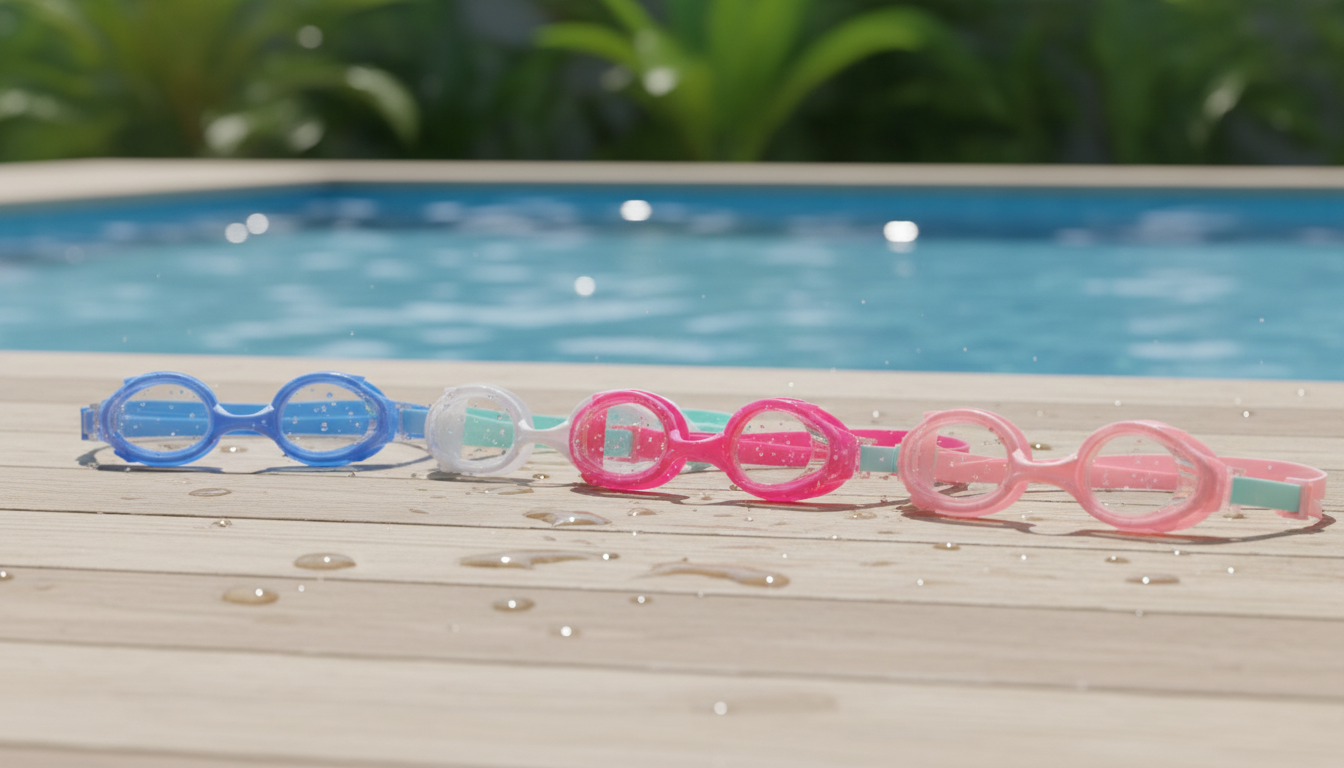
Kids HD Large-Frame Swimming Goggles: Clear Vision, Comfortable Fit, Confident Swimming
Large-frame kids swimming goggles can make the pool feel friendlier—especially for new swimmers—because they improve what kids can see and reduce the little discomforts that cause them to rip goggles off mid-lesson. A wider lens shape helps children stay oriented in the water, while a soft, well-fitted seal and easy strap adjustment can cut down on leaks and face pressure. When goggles are comfortable and vision stays clear, kids tend to participate longer, listen better, and build confidence faster.
What “HD” and large-frame design can change for kids in the pool
For many children, the hardest part of swimming isn’t the water—it’s uncertainty. Not being able to see clearly underwater (or feeling boxed in by small eye cups) can add anxiety during lessons and play.
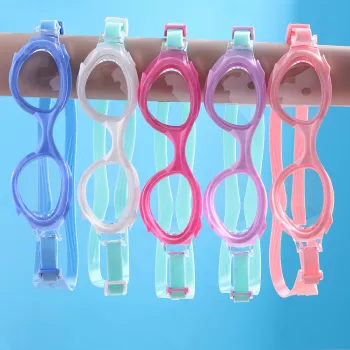
- Wider field of view: A large-frame lens helps kids track instructors, lane lines, walls, and friends without constantly turning their head.
- Less “claustrophobic” feel: A larger lens area can feel more open than small eye-cup styles, which can matter a lot for first-time goggle wearers.
- Better distance judgment: Clearer vision reduces hesitation during skills like submerging, floating, and retrieving toys because kids can better judge direction and distance.
- Gentler contact (when fitted correctly): Large-frame styles often spread contact pressure across a bigger area, which can feel more comfortable on the face.
If you’re shopping for a pair that encourages kids to keep goggles on, start with a comfortable, wide-view design like Kids HD Large-Frame Swimming Goggles.
Fit comes first: getting a comfortable, leak-resistant seal
Even the best lens won’t help if water keeps sneaking in. The goal is a seal that’s secure without being painful. A child who feels squeezing or pinching will tighten their face, tug the strap, and break the seal—starting the leak cycle all over again.
- Try a quick “suction test”: Gently press the goggles to your child’s face without the strap. If they stay in place briefly, the seal is promising.
- Place the seal on the skin around the eyes: Avoid positioning directly on eyelids or too close to the lash line, where blinking and lashes can disrupt the seal.
- Keep strap tension “snug, not tight”: Over-tightening can distort the gasket and actually cause leaks, plus it creates pressure marks.
- Center the strap on the back of the head: If the strap rides high, goggles often slip down or pop loose during a jump or push-off.
- Watch the nose-bridge area: If the frame presses into the bridge or crowds the nose, kids usually won’t tolerate it for a full session.
One practical routine: fit the goggles dry, do the suction test, then re-check after they get their hair wet. Wet hair can change strap grip and how the frame sits.
Lens performance: clarity, fog control, and outdoor protection
Fog is one of the quickest ways to ruin a swim lesson. It frustrates kids, prompts constant stopping, and can make them feel disoriented underwater.
For broader water safety guidance that supports swim lessons and supervision habits, review recommendations from the CDC, the American Academy of Pediatrics, and the American Red Cross.
A simple feature checklist for kids goggles
| Feature | Why it matters for kids | What to look for |
|---|---|---|
| Large-frame lens | Broader visibility can reduce anxiety and help with instruction | Wide viewing area without pressing into cheeks |
| Soft silicone seal | Less irritation and fewer pressure marks | Flexible gasket that sits evenly around the eye area |
| Easy strap adjustment | Parents can dial in fit quickly; kids can keep them on | Smooth sliders; strap stays in place when wet |
| Anti-fog coating | Clear vision during lessons; fewer mid-swim stops | Care instructions that avoid rubbing the inner lens |
| UV protection (outdoor) | Helps protect eyes during sun exposure at pools and beaches | UV-rated lens for regular outdoor use |
| Durable frame and lens | Withstands drops and rough handling in swim bags | Sturdy build; rinse-friendly materials |
Care tips that help goggles last longer (and fog less)
For a smoother pool routine, it can also help to build a small “swim bag system.” A spill-resistant cup like the Penguin-Shaped Silicone Baby Sippy Cup can support quick post-swim hydration, and a simple reward-and-routine printable like Fun Checklist to Raise Thankful Kids can make it easier for kids to remember steps like “rinse goggles” and “hang suit to dry.”
When to size up, replace, or switch styles
If your child is ready for a wider view and a more comfortable seal, Kids HD Large-Frame Swimming Goggles are a strong starting point for lessons, play, and regular pool days.
FAQ
How tight should kids swimming goggles be?
Snug enough to hold a seal without pain or deep marks. Start with a quick suction test and adjust the strap position on the back of the head before tightening—over-tightening can distort the seal and cause more leaking.
Why do kids goggles fog up so fast?
Fogging often gets worse when the inside of the lens is rubbed or wiped, which can strip the anti-fog coating. Rinsing after use, air-drying, and minimizing sunscreen residue on the lens can help; if needed, use a swim-safe anti-fog product made for goggles.
Can kids wear swimming goggles outside in the sun?
Yes, and UV-rated lenses are preferable if your child swims outdoors often. Goggles help protect eyes in the water, but they don’t replace broader sun protection like sunscreen and a hat when kids are out of the pool.









Leave a comment