Healthy School Lunch Checklist for Busy Mornings
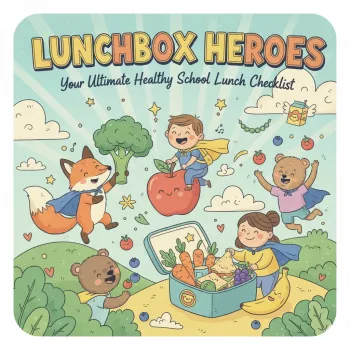
Lunchbox Heroes: A Simple Checklist for Healthier, Happier School Lunches
School mornings move fast: backpacks, permission slips, missing shoes, and a lunch that somehow still needs to happen. A clear, repeatable checklist turns lunch packing into a quick routine—less decision fatigue, fewer forgotten items, and more foods kids actually eat. The Lunchbox Heroes: Your Ultimate Healthy School Lunch Checklist (Printable Digital Download) is designed to simplify planning while supporting variety, nutrition, and kid-friendly choices.
What a balanced lunch looks like (without overthinking it)
A “balanced” lunch doesn’t have to be complicated. The easiest approach is to pack predictable building blocks so you can mix and match without starting from scratch each day.
- Aim for a mix of: a main (protein + whole grain), a fruit, a veggie, and a “fun” item when it fits.
- Include a reliable protein option to support steady energy (beans, eggs, yogurt, poultry, tofu, nut/seed butters when allowed).
- Use color as a shortcut: picking 2–3 colors of produce usually increases variety automatically.
- Add a hydration plan: water bottle, milk option, or shelf-stable drink if needed.
- Keep portions kid-appropriate: smaller servings with the option for seconds at home often reduces waste.
For a helpful visual approach to building balanced meals, MyPlate offers simple guidance for kids and families at USDA MyPlate — Healthy Eating for Kids.
Mix-and-match lunch building blocks
| Category | Easy options | Pack-it tip |
|---|---|---|
| Main | Turkey & cheese roll-ups, hummus pita, egg salad sandwich, leftover pasta | Cut into bite-size pieces for younger kids |
| Fruit | Apple slices, berries, grapes, mandarin oranges, melon cubes | Use lemon juice to reduce browning on apples/pears |
| Veggie | Cucumber rounds, baby carrots, snap peas, bell pepper strips | Pair with dip to boost acceptance (ranch, hummus, guac) |
| Crunch | Whole-grain crackers, popcorn, pretzels, roasted chickpeas | Portion into small containers to avoid crushed snacks |
| Treat / fun | Mini chocolate square, cookie, fruit leather, sprinkle trail mix | Keep it predictable so it doesn’t become the “main event” |
How the Lunchbox Heroes checklist helps on real mornings
When lunch packing becomes a routine instead of a daily debate, it’s easier to keep lunches balanced and consistent—without feeling like you’re doing extra work.
- Reduces repeated daily decisions by turning lunch packing into a quick routine.
- Prompts balanced variety across the week instead of repeating the same lunch every day.
- Helps ensure key items aren’t forgotten (utensils, napkin, ice pack, water bottle).
- Encourages planning around schedule constraints (field trips, early lunch periods, sports).
- Works for different ages: simple “pick one from each group” for younger kids, more independence for older kids.
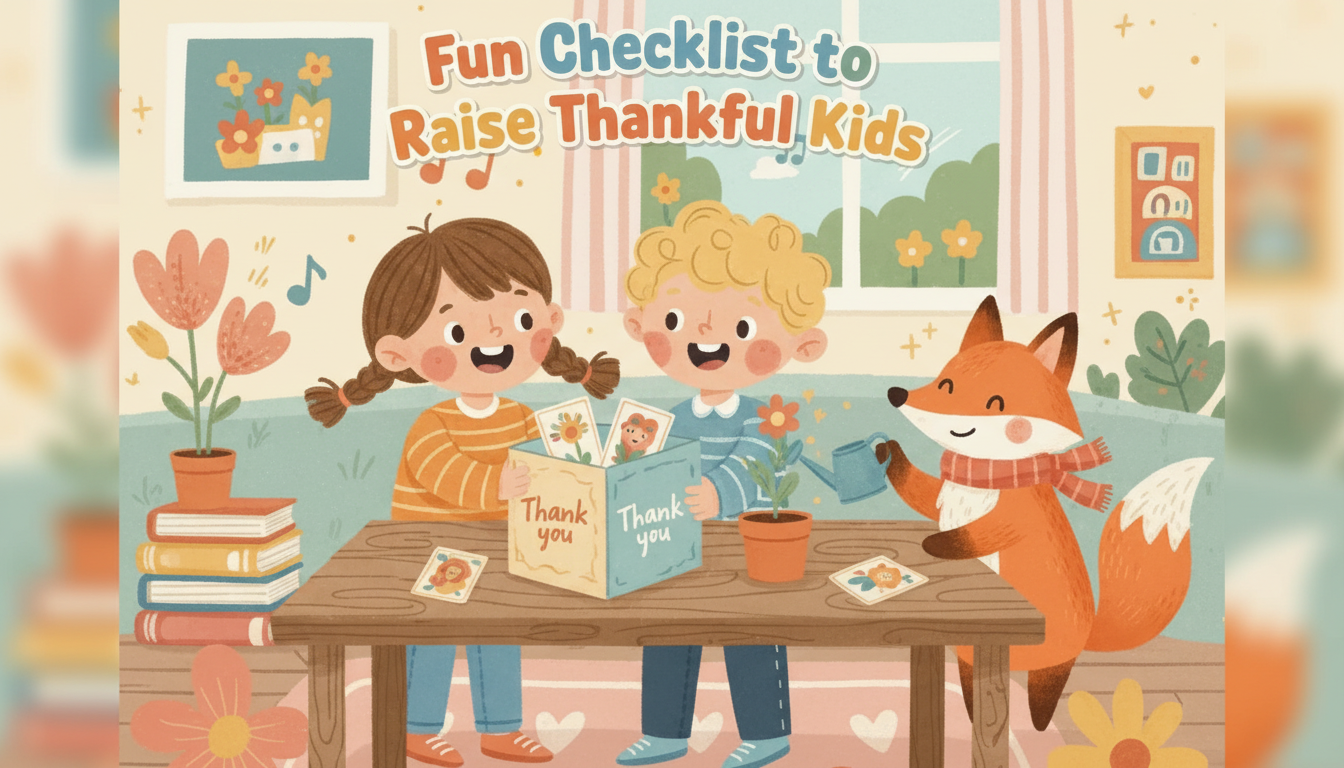
For families building multiple routines at once (morning manners, chores, or gratitude practice), pairing lunch planning with another small habit tracker can be helpful. The Fun Checklist to Raise Thankful Kids (Printable Digital Download) is an easy add-on for a simple after-school reset.
Quick-start routine: plan once, pack faster all week
The fastest weekday lunches usually start with a tiny bit of weekend setup. The goal isn’t meal prep perfection—it’s reducing friction on busy mornings.
- Choose 3–5 “default” mains that can rotate (sandwich, wrap, pasta, bento-style, leftovers).
- Batch-prep two produce options on Sunday (wash berries, slice cucumbers, portion carrots).
- Set up a “grab zone” in the fridge/pantry: pre-portioned snacks, dips, and shelf-stable add-ons.
- Print the checklist and keep it where packing happens (inside cabinet door, pantry wall, or lunch station binder).
- Let kids pick from approved options the night before to reduce morning negotiations.
School lunch ideas that travel well
“Lunch that holds up” is its own category. Temperature, texture, and how long the food sits before lunchtime matter just as much as what you pack.
- No-heat mains: pinwheel wraps, pasta salad, quinoa bowls, chicken salad with crackers, bean-and-cheese quesadilla wedges.
- Thermos-friendly: chili, mac and cheese, fried rice, oatmeal with fruit, soup plus bread.
- Bento combos: protein (edamame/cheese cubes), produce, whole grain crackers, and a dip.
- “Snack lunch” on busy days: several small items from each group can be more appealing than one big main.
- Texture matters: pack wet items separately (sauces, dressings) to prevent soggy lunches.
Food safety and freshness for packed lunches
Keeping food safe is mostly about time and temperature. A few small habits go a long way, especially when lunches sit in a cubby or backpack for hours.
For detailed, practical tips on safe packing, see CDC — Food Safety: Pack a Safe Lunch.
Allergy-aware and school-policy friendly swaps
Making the checklist kid-led (without losing control of nutrition)
For younger children who are transitioning to independent drinking at school or daycare, a simple, packable cup can help keep hydration predictable. Consider the Penguin-Shaped Silicone Baby Sippy Cup for at-home practice or younger siblings building lunchbox routines of their own.
Printable digital download details and best ways to use it
If you want a ready-to-use version, grab the Lunchbox Heroes printable checklist and set it up where lunch packing actually happens.
FAQ
What should be included in a healthy school lunch?
Include a main with protein plus a whole grain, at least one fruit or veggie (ideally both), and water. Add a small fun item when appropriate, and keep portions age-appropriate so food is more likely to be eaten.
How can picky eaters use a lunch checklist successfully?
Offer structured choices from a short list of accepted foods, then introduce new foods in tiny portions alongside a familiar favorite. Track what comes home and adjust the rotation so lunches stay predictable but not boring.
How do packed lunches stay safe until lunchtime?
Use an insulated bag with an ice pack for cold foods and pack items straight from the fridge. For hot lunches, use a preheated thermos, and keep wet items sealed to prevent leaks and sogginess.






Leave a comment