Fun Gratitude Activities to Engage Kids Every Day
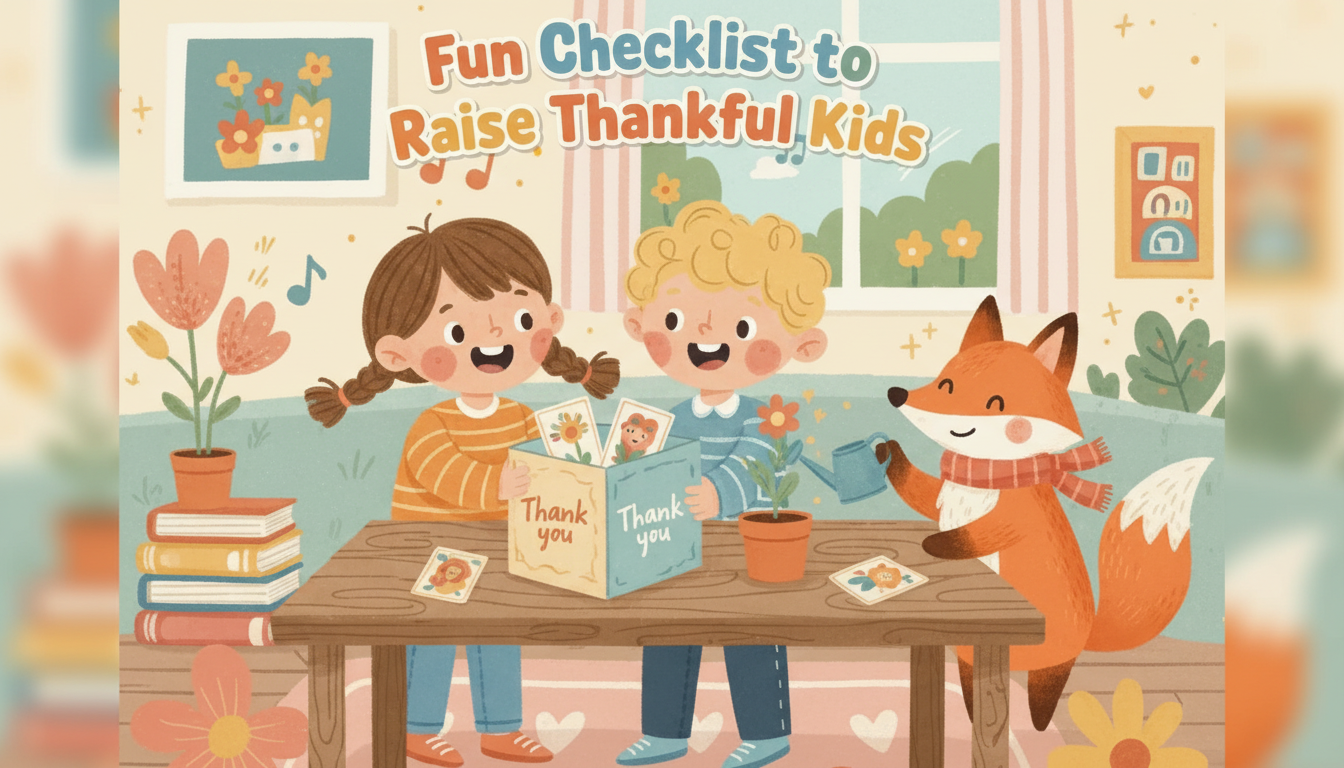
What are creative ways to make gratitude engaging for kids?
Gratitude clicks for kids when it feels like play, not a lecture. The goal is to help them notice good moments, name who helped, and practice giving thanks in ways that fit their age and personality.
Try “gratitude scavenger hunts”
Send kids on a quick hunt for things they’re thankful for: something cozy, something that makes them laugh, something that helps them learn, and someone who cares for them. Have them share one “find” at dinner or bedtime to build a daily habit without boredom.
Make it hands-on with gratitude crafts
Create a “thankful tree” using paper leaves where kids write or draw one gratitude each day. Or make a “gratitude jar” and drop in colorful notes; read a few together at the end of the week. Younger kids can draw pictures instead of writing.
Turn appreciation into a game
Play “Compliment Hot Potato”: pass an object while music plays; when it stops, the holder thanks someone for something specific (“Thanks for helping me zip my jacket”). You can also do “Gratitude Bingo” with squares like “thank a teacher,” “notice something in nature,” or “say thanks without being asked.”
Use storytelling and role-play
After reading a book or watching a family movie, ask: “Who helped? How did it change the day?” Then role-play a quick “thank-you scene” using stuffed animals. Practicing the words out loud makes real-life thank-yous easier.
Connect gratitude to giving
Let kids choose a small act of kindness: making a card for a neighbor, picking out a donation item, or helping cook for someone. Pair it with a simple reflection: “How do you think that made them feel?”
For more ideas and kid-friendly routines, visit the main guide here: https://infantfuture.shop/what-are-creative-ways-to-make-gratitude-engaging-for-kids/.
FAQ
How can I model gratitude without sounding preachy?
Say brief, specific thank-yous out loud (“I’m grateful you set the table”) and name the impact (“It made dinner feel calmer”). Kids copy what they hear most often.








Leave a comment